Best Electric Vehicles of 2026 Top Models to Watch and Consider
Electric Vehicles
|
May 13, 2026
The electric vehicle market continues to grow rapidly, offering more choices for drivers with different preferences and budgets. In 2026, EV buyers can expect a wider range of options, from affordable daily commuters to long-range models, family SUVs, luxury vehicles, and performance-focused electric cars.
This guide explores some of the top electric vehicle categories to consider, including value-focused EVs, vehicles with extended driving range, family-friendly models, luxury options, performance EVs, and choices suited for long-distance travel. Understanding the differences between these categories can help consumers make more informed decisions when choosing their next electric vehicle.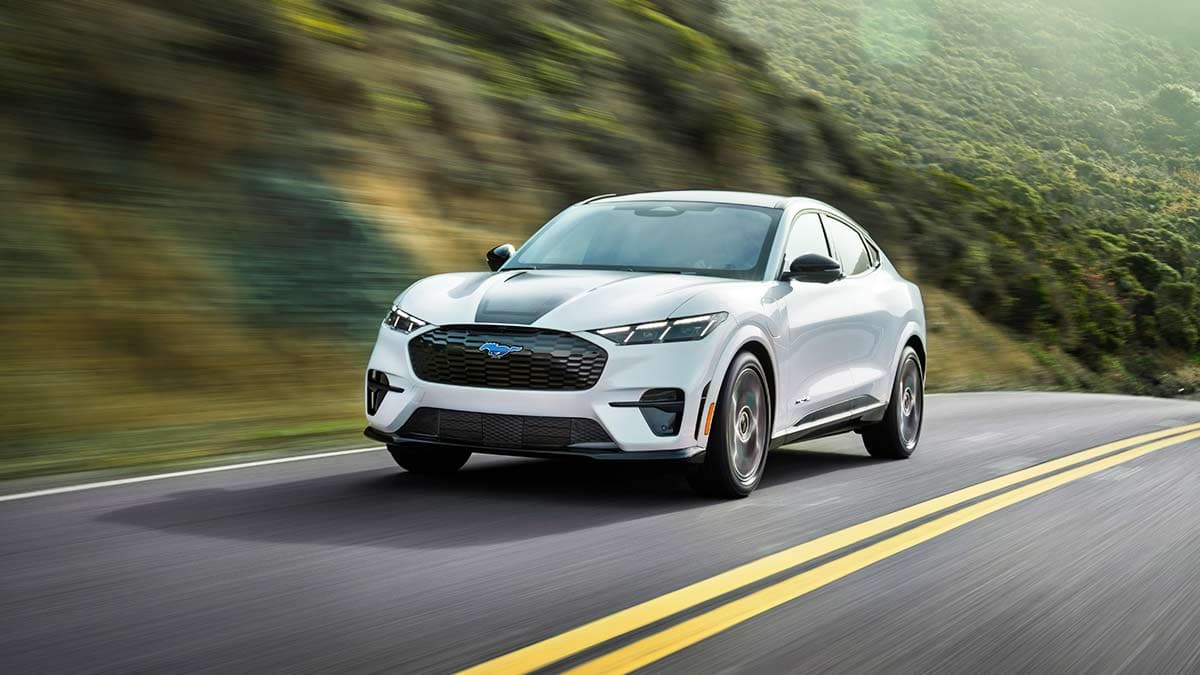
How We Selected the Best Electric Vehicles
This guide evaluates electric vehicles that are expected to be available in 2026, focusing on models that offer strong overall value, performance, technology, practicality, and suitability for different driving needs.
The selection considers factors such as driving range, charging capability, comfort, features, reliability, pricing, and intended use. Both existing models with significant updates and newer EVs entering the market are included to provide a realistic overview of the options available to consumers.
How We Evaluate Electric Vehicles
A comprehensive scoring system was implemented to evaluate the electric vehicles featured in this guide. The evaluation criteria include various essential aspects: range, charging capabilities, efficiency, comfort, utility, value, and ownership practicality. Each criterion carries a specific weight, underscoring its significance in the overall assessment of vehicle performance.
- Range (25%): Indicates how far a vehicle can travel on a single charge, a key factor for daily usability.
- Charging (20%): Analyzes the speed and ease of recharging options available to users.
- Efficiency (20%): Evaluates energy usage, essential for both environmental impact and cost-effectiveness.
- Comfort (15%): Assesses seating, ride quality, and interior features that contribute to a pleasant driving experience.
- Utility (10%): Reviews cargo space and overall practicality suited to user lifestyles.
- Value (5%): Compares the vehicle’s price to its features and performance.
- Ownership Practicality (5%): Considers maintenance aspects and resale value.
This structured approach presents a balanced view of each vehicle’s advantages and disadvantages, effectively guiding consumers in their purchasing decisions.
Master Comparison Table of Top Electric Vehicles for 2026
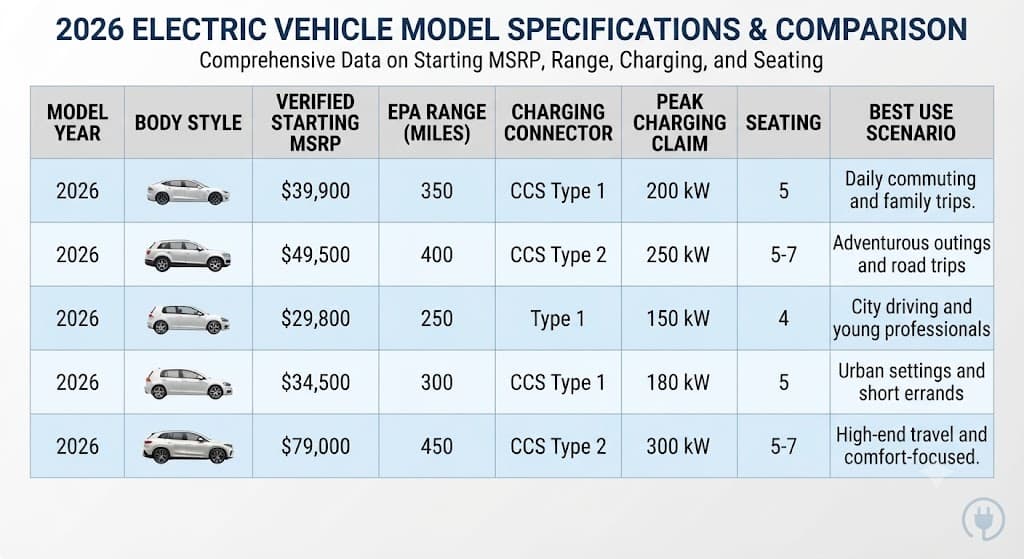
This structured table efficiently summarizes crucial parameters for each electric vehicle, facilitating easier comparisons for potential buyers. From pricing to charging capabilities, it emphasizes essential information for consumers planning 2026 purchases, addressing various needs—from daily commutes to family excursions, thus showcasing the electric vehicle market's diversity. With ongoing technological advancements, the options expand significantly, catering to a wide array of consumer tastes.
Top Electric Vehicles for Different Driving Needs
When selecting an electric vehicle, it is essential to consider personal preferences and lifestyle needs. Here are the top EV recommendations based on different buyer scenarios:
- Best Value: The Tesla Model 3 emerges as a leader, combining impressive range, cutting-edge technology, and competitive pricing. Government incentives make it an economical choice for buyers seeking efficiency and performance.
- Longest Range: The Lucid Air excels in range, boasting over 500 miles on a single charge—ideal for long-distance commuters and those who prefer fewer charging stops during road trips.
- Family-Friendly: The Ford Mustang Mach-E provides ample space for families and a five-star safety rating, making it versatile enough for both daily errands and vacations.
- Luxury Choice: The Mercedes-Benz EQS offers an unmatched luxury experience, combining advanced technology, spacious interiors, and a smooth ride for high-end comfort enthusiasts.
- Performance Focus: The Porsche Taycan appeals to performance-driven buyers with its thrilling handling and acceleration, perfect for those craving a sporty driving experience.
- Best for Road Trips: The Rivian R1T, designed for adventure, features rugged capabilities ideal for outdoor enthusiasts requiring reliability and off-road features on their journeys.
Each of these electric vehicles has been specially designed to meet specific buyer needs, ensuring prospective shoppers can find their ideal match.
Range, Efficiency, and Charging Analysis
When evaluating electric vehicles (EVs), the ratings set forth by the Environmental Protection Agency (EPA) are a fundamental starting point for understanding expected range and efficiency. The leading models of 2026 are making ambitious claims, with several manufacturers promoting anticipated ranges exceeding 300 miles on a single charge. However, independent real-world tests frequently indicate that these estimates may not align with actual usage scenarios.
For example, while a vehicle may receive an EPA rating of 350 miles, real-world tests could reveal a more conservative range closer to 280 miles, factoring in variables such as speed, environmental conditions, and payload. This gap highlights the need for consumers to manage their expectations regarding real-world performance versus manufacturer claims.
Furthermore, charging efficiency is a significant aspect of consideration; many top-tier EVs can achieve roughly 80% of their charge in a mere 30-40 minutes at fast-charging stations. However, the actual charging speed can vary widely based on both the vehicle's battery management system and external variables. Thus, prospective buyers should be prepared to anticipate a lower range than advertised and recognize the variability in charging times as part of their daily experiences.
Comfort, Utility, and Safety Information
The leading electric vehicles of 2026 merge comfort, utility, and safety tailored specifically for their intended audiences. For buyers focusing on family use, vehicles with roomy interiors and state-of-the-art infotainment systems rank high in comfort, ensuring all passengers enjoy a first-class ride. Additionally, utility is bolstered by generous cargo space, making these EVs versatile for everyday use as well as weekend getaways.
Safety ratings carry immense weight, with industry frontrunners showcasing top-notch features such as automatic emergency braking, lane-keeping assist, and adaptive cruise control, securing accolades from safety organizations. For instance, one electric SUV stands out with a five-star safety rating, largely due to its robust construction and integrated safety technologies. Alternatively, urban-centric electric compacts prioritize maneuverability, offering ease of parking and reduced blind spots, ensuring not just safety but also a relaxed driving experience in bustling city environments.
These thoughtful attributes underscore the reasons why these vehicles shine in an increasingly competitive electric vehicle marketplace.
New EV Developments vs. Established Electric Vehicles
As the electric vehicle market continues to evolve, newer models and updated technologies are introducing advancements in areas such as range, charging, and performance. At the same time, established EVs with real-world testing provide valuable insights into reliability, efficiency, and ownership experience.
Comparing emerging developments with proven models helps consumers understand the balance between adopting the latest innovations and choosing vehicles with a stronger track record.
How to Choose the Right 2026 EV
Selecting the optimal electric vehicle (EV) in 2026 encompasses several pivotal considerations. Firstly, evaluate your driving habits—daily commute distances and charging availability at home or work significantly impact your choice. Next, reflect on battery range, as longer distances will accommodate frequent travelers better. Additionally, consider the vehicle size and type; whether compact cars or SUVs, choose according to what aligns with your lifestyle. Performance is also essential—some prioritize acceleration and speed, while others emphasize energy efficiency. Finally, review available features such as advanced safety systems and infotainment setups. Comparing various models will help you identify the vehicle that best fits your personal preferences and lifestyle.
Making an Informed EV Decision
The electric vehicle market continues to expand, giving consumers more choices across different categories, including affordable commuters, long-range models, family SUVs, luxury vehicles, and performance-focused EVs. As technology, charging infrastructure, and battery capabilities continue to improve, understanding key differences between models can help buyers choose a vehicle that matches their driving habits and priorities.
When evaluating electric vehicles for 2026, factors such as driving range, charging capability, pricing, available features, practicality, and overall ownership experience should be considered. Staying informed about market updates and manufacturer announcements allows consumers to make more confident decisions as the EV landscape continues to develop.
Related Posts
Why Dash Cams Are Becoming Essential for Modern Drivers
Best Car Floor Mats A Complete Buying Guide for Interior Protection

Best Car Accessories for Women Style, Safety Everyday Comfort
Top 10 Upcoming SUVs Everyone Is Waiting For in 2026 and Beyond

Best New Cars for Daily Driving in 2026 Maximum Comfort, Minimum Fuel Costs